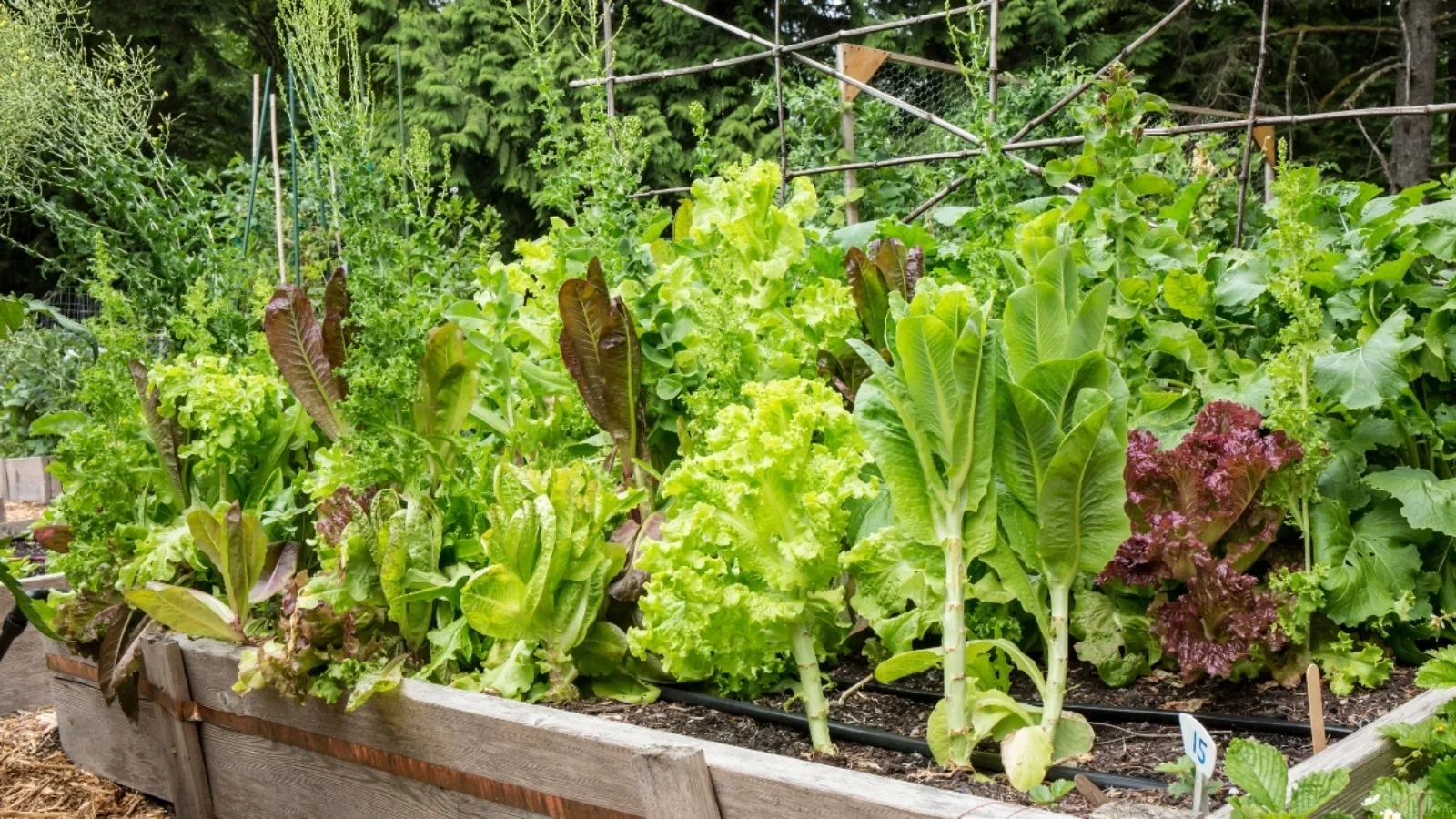
 Vegetables
Fast Growing Vegetables You Can Harvest in 30–60 Days
Do you ever feel like gardening demands more patience than you expected? You plant your seeds, water them consistently, and care for the soil, yet weeks pass and it can seem like progress is moving far too slowly. After months of effort, it’s easy to wonder if the results will ever match the time and energy you’ve invested.
The good news is that not every crop takes months to mature. Some vegetables grow surprisingly fast and can be harvested in as little as 30–60 days. These crops are ideal for beginners, small home gardens, urban growers, and farmers who want to see quicker results from their efforts.
At Obirinfarms, we believe farming should be practical, rewarding, and accessible, especially for women who are exploring opportunities in agriculture. Growing fast growing vegetables you can harvest in 30–60 days helps new farmers gain confidence early. It also allows farmers to harvest more often, generate income sooner, and maintain productive gardens throughout the year.
You might be growing vegetables in a backyard garden, planting in containers, or working with a larger farm space. Many of these crops adapt well to warm climates and can thrive across different growing conditions when given the right care. With proper soil preparation, regular watering, and adequate sunlight, they can grow quickly and produce healthy harvests within a short period.
What Are The Fast Growing Vegetables You Can Harvest in 30–60 Days?
If you’re looking to grow vegetables that deliver quicker harvests without sacrificing productivity, here are some of the best options you can start planting today:
1. Arugula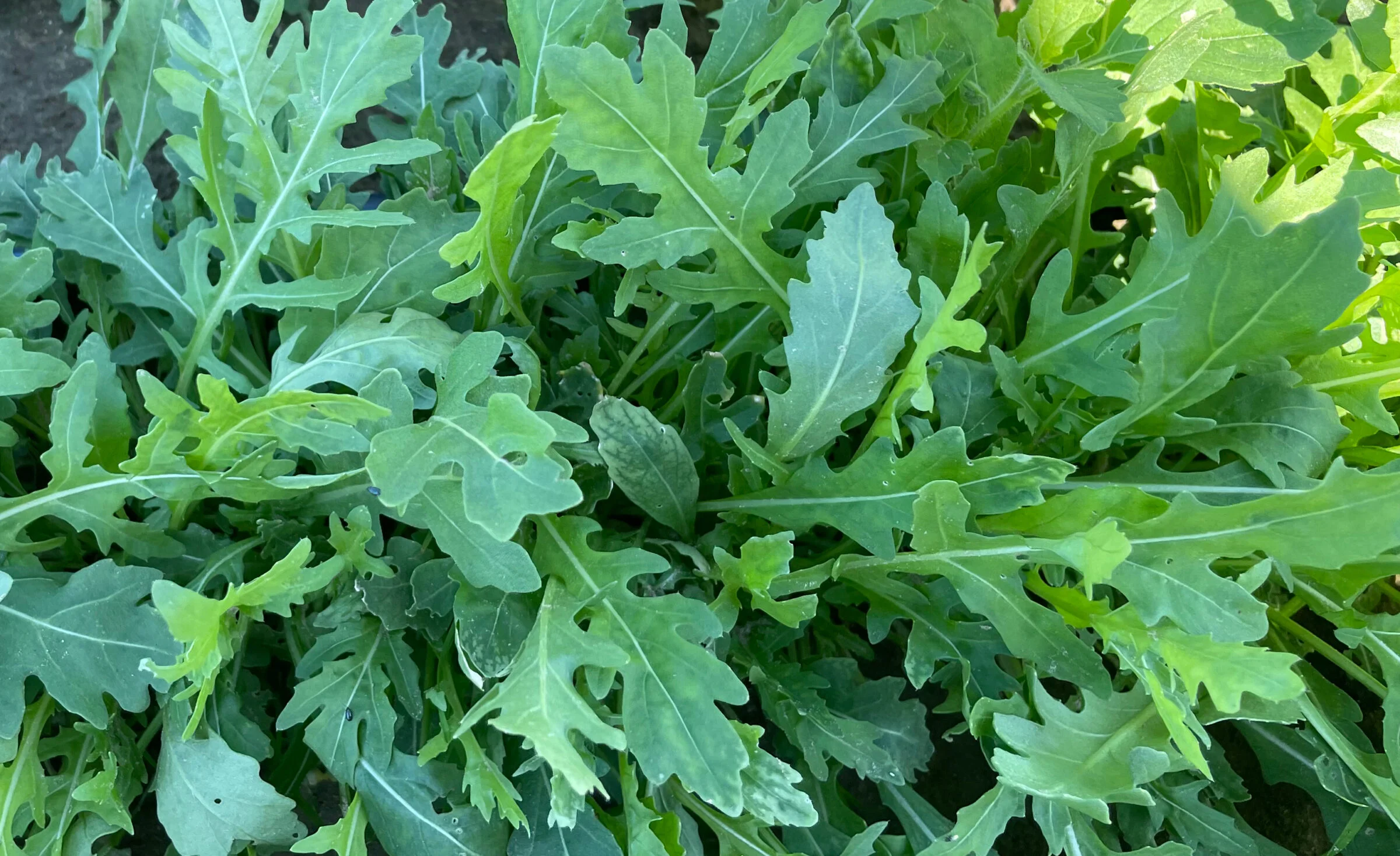
Arugula is one of the quickest leafy vegetables you can grow. Under the right conditions, it can be ready for harvest in about 20–30 days. This leafy green thrives in mild temperatures and grows particularly well when given partial shade and consistently moist soil. Arugula performs best in well-drained soil rich in organic matter, and the seeds can be sown directly into garden beds, raised beds, or containers.
One of the reasons arugula is so appealing to beginner growers is its cut-and-come-again harvesting style. Instead of pulling out the entire plant, you can simply harvest the outer leaves while allowing the center to continue producing fresh growth. This means a single planting can provide multiple harvests over time.
Arugula is loved for its slightly peppery flavor, which adds character to salads, sandwiches, wraps, and pasta dishes. It can also be blended into pesto for a more vibrant, spicy twist on the classic sauce. For people looking for vegetables with quick turnaround and excellent culinary value, arugula is an excellent choice.
2. Radish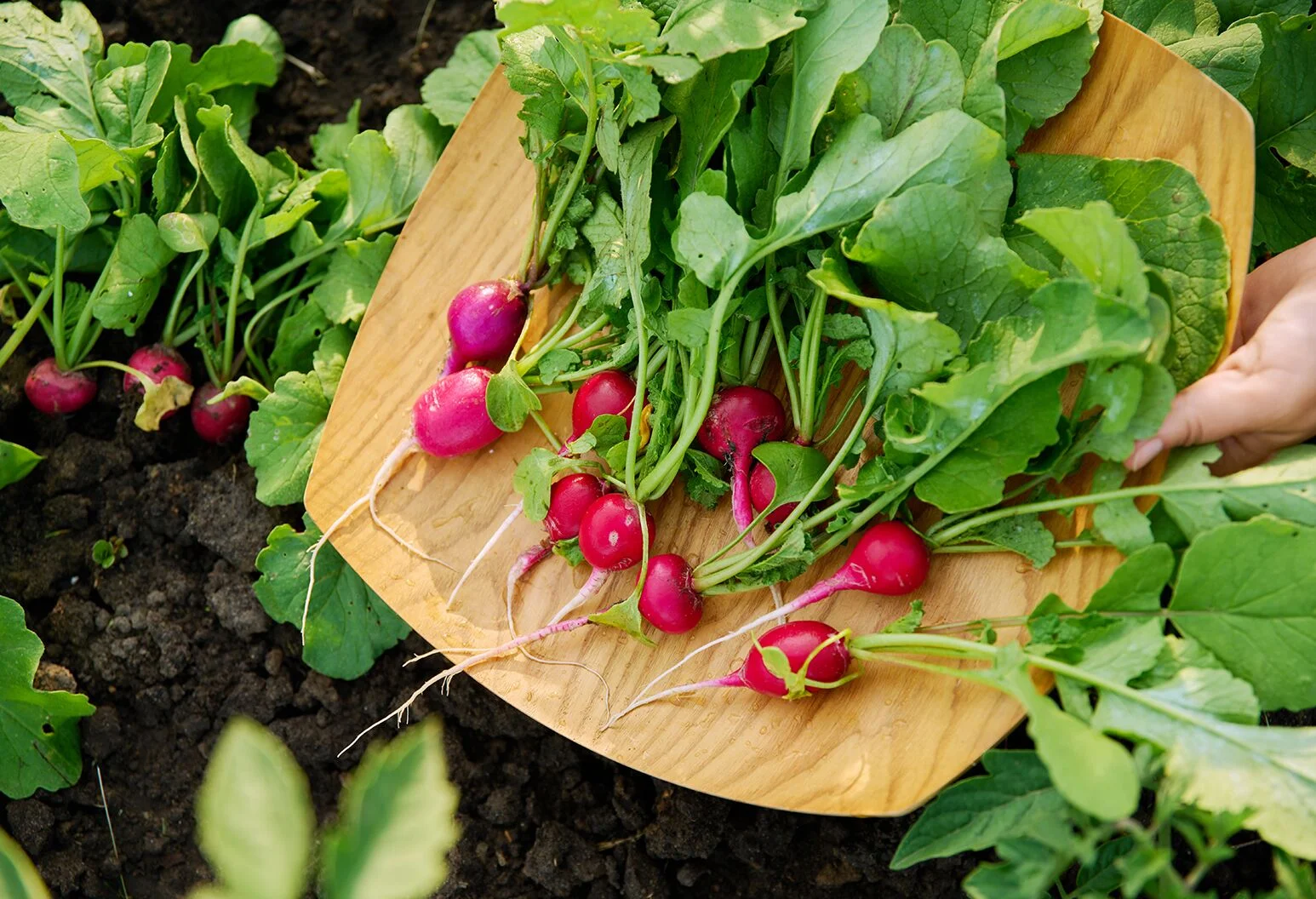
Radish is widely known as one of the fastest growing vegetables you can harvest in the garden. Many varieties mature within 25–35 days, making them ideal for people who want quick harvest cycles and rapid results.
Radishes grow best in loose, well-drained soil that allows the roots to expand easily. Consistent watering is important, as dry conditions can cause the roots to become tough or overly pungent. With proper spacing and regular moisture, radishes develop quickly and produce crisp, flavorful bulbs.
Because of their short growing period, radishes are perfect for small gardens, containers, and raised beds. They are also commonly used as a companion crop or filler plant between slower vegetables, allowing growers to make better use of their garden space.
Radishes add a satisfying crunch and mild peppery flavor to salads, slaws, and vegetable platters. They can also be roasted or sautéed, which softens their sharpness and brings out a subtle sweetness. For anyone looking to grow vegetables with minimal waiting time and reliable results, radishes are a dependable option.
3. Spinach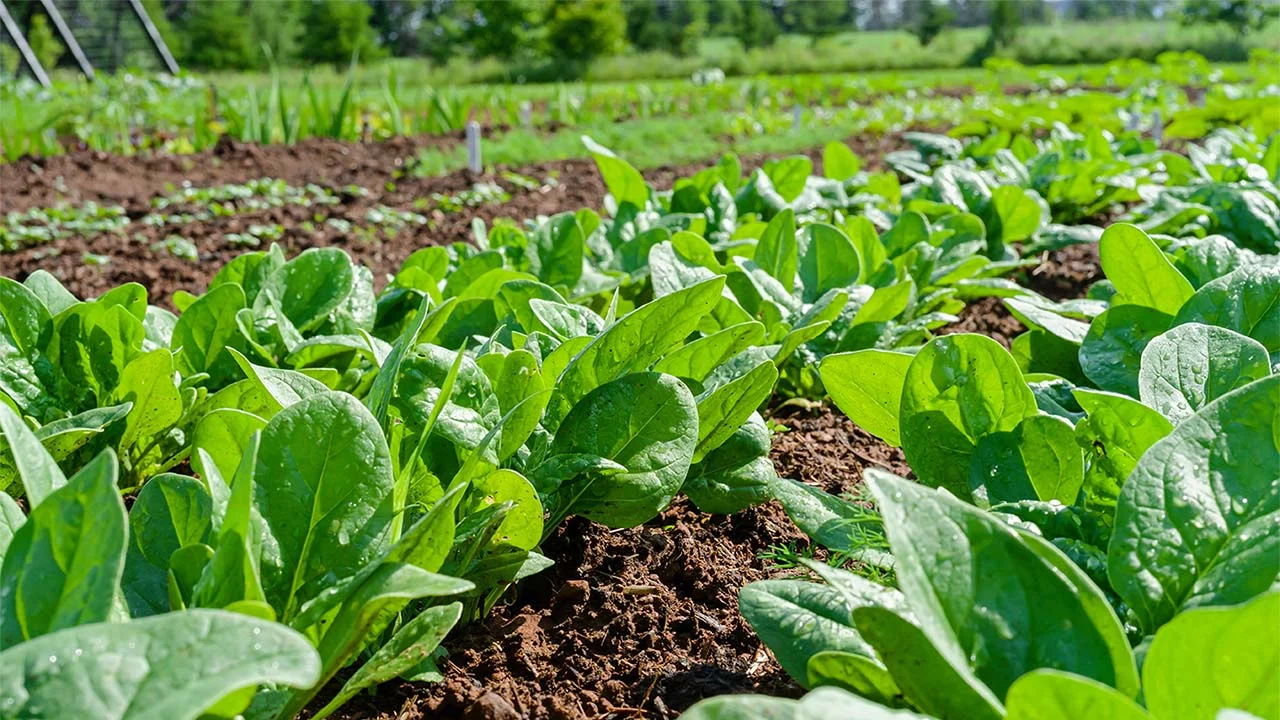
Spinach is another leafy vegetable that grows quickly and thrives in fertile, well-watered soil. Most varieties are ready to harvest within 30–45 days, making it a practical choice for gardeners who want steady harvests in a short period.
Spinach grows best in moderate temperatures and benefits from partial shade in warmer environments. Many growers harvest spinach using the cut-and-regrow method, where the outer leaves are picked first while the plant continues producing new foliage from the center.
Beyond its fast growth, spinach is widely valued for its nutritional benefits. It is rich in vitamins, iron, and antioxidants, making it a popular ingredient in a wide range of meals. Spinach works well in soups, sauces, stews, smoothies, stir-fries, and fresh salads. Because of its versatility and quick maturity, it remains one of the most practical leafy vegetables for home gardens and small farms.
4. Lettuce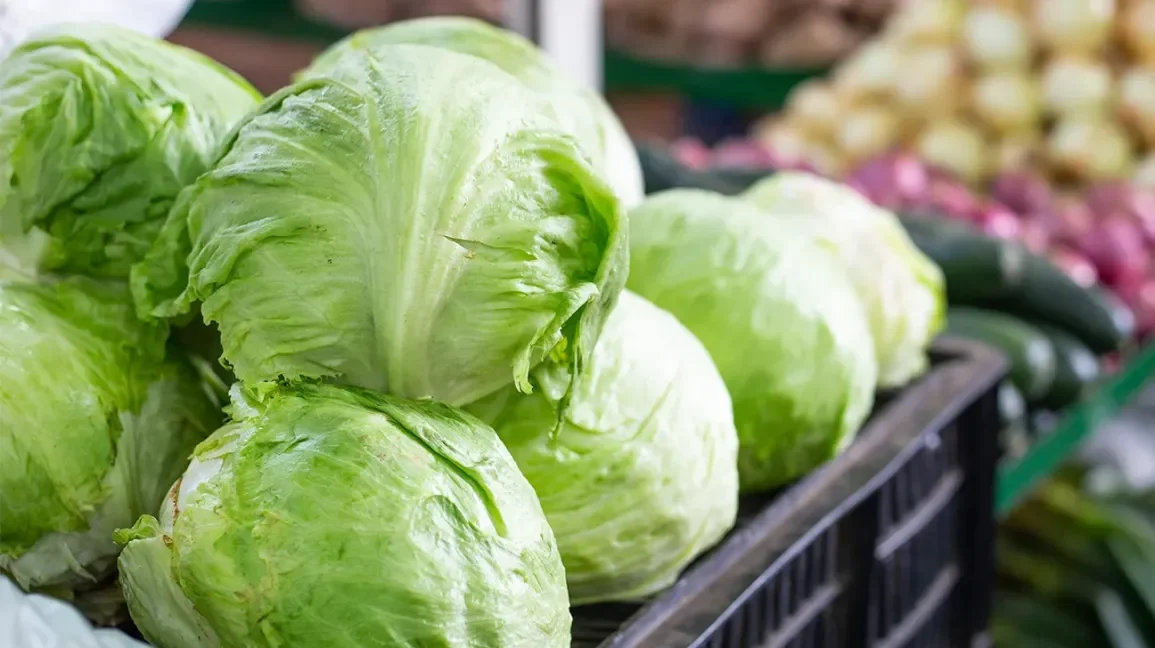
Lettuce is a classic garden vegetable that grows quickly and adapts well to a variety of growing spaces. Many varieties reach harvest size within 30–45 days, particularly loose-leaf types. Loose-leaf lettuce is especially productive because growers can harvest individual leaves while the plant continues growing.
This method allows for multiple harvests from the same planting and helps keep the garden productive for longer. Lettuce grows best in fertile soil with consistent watering and moderate sunlight. It is commonly grown in garden beds, raised beds, or containers, making it suitable for both small and larger growing spaces.
This vegetable is a staple ingredient in salads, sandwiches, wraps, and burgers. Its mild flavor and tender texture make it a favorite in many kitchens. For beginners, lettuce is one of the easiest and most rewarding vegetables to grow, offering quick harvests and continuous production.
5. Amaranthus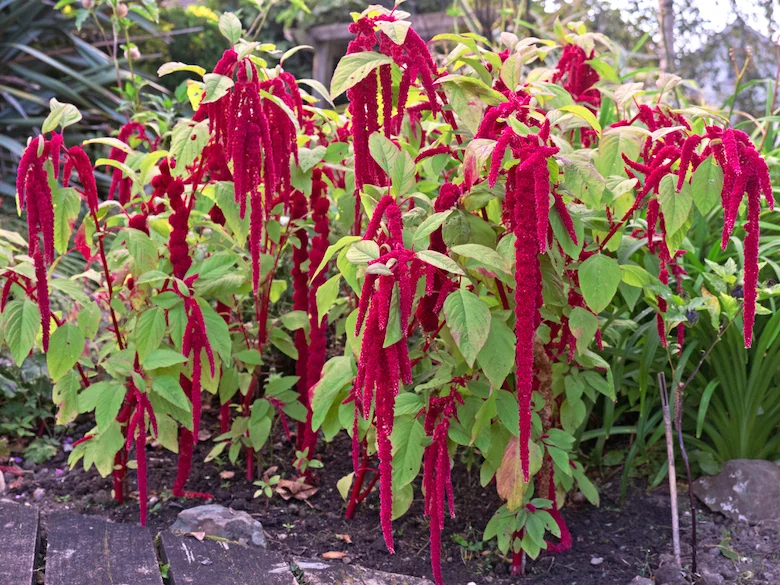
Amaranthus is a fast-growing leafy vegetable known for its vigorous growth and impressive productivity. In favorable conditions, it can be harvested in 25–40 days after planting. This plant adapts easily to different soil types and grows particularly well in warm environments.
Its resilience and fast growth make it a popular choice among gardeners who want reliable harvests without complicated growing requirements. The leaves are tender, nutritious, and commonly used in a variety of cooked dishes.
Because amaranthus regenerates quickly after cutting, growers can harvest the leaves several times during its growing cycle. Its ability to produce abundant foliage in a short period makes it a valuable crop for anyone interested in growing fast growing vegetables that provide consistent yields.
People Also Read
Agribusiness Ideas for Women Who Want Financial Independence
Women in Agriculture: Why the Future of Farming Is Female
6. Green Onions (Spring Onions)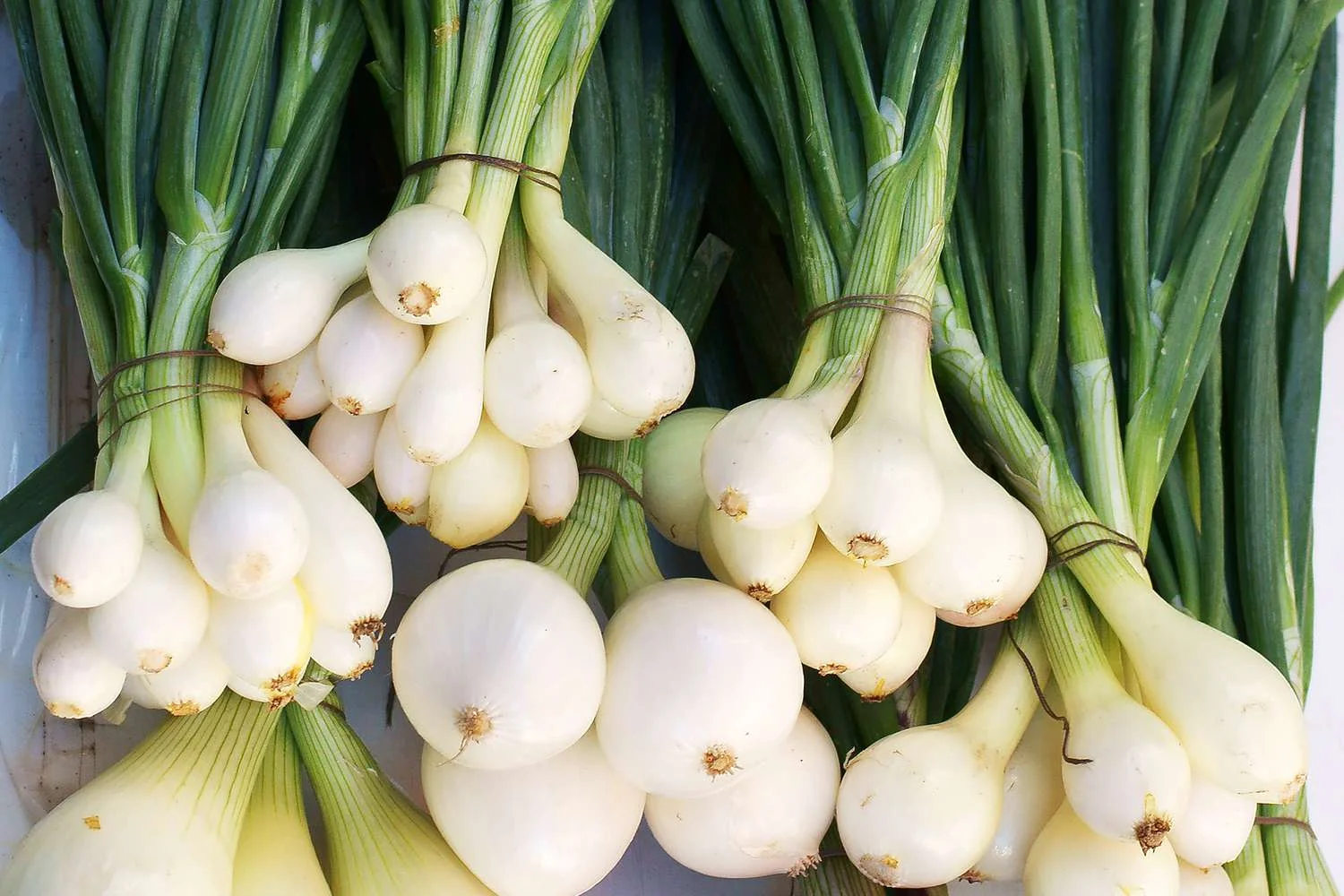
Green onions, also known as spring onions, are another excellent crop for quick harvests. They typically reach maturity in 40–60 days. Unlike bulb onions, spring onions are harvested while the bulbs are still small and tender.
Both the white base and green tops are edible, making the entire plant useful in the kitchen. Spring onions grow best in fertile soil with consistent moisture and good sunlight. Because they require very little space, they are ideal for container gardens, raised beds, and compact growing areas.
They are widely used in soups, stir-fries, rice dishes, sauces, and salads, where they add a mild onion flavor and fresh aroma. Their compact size and fast maturity make them a practical addition to any vegetable garden.
7. Mustard Greens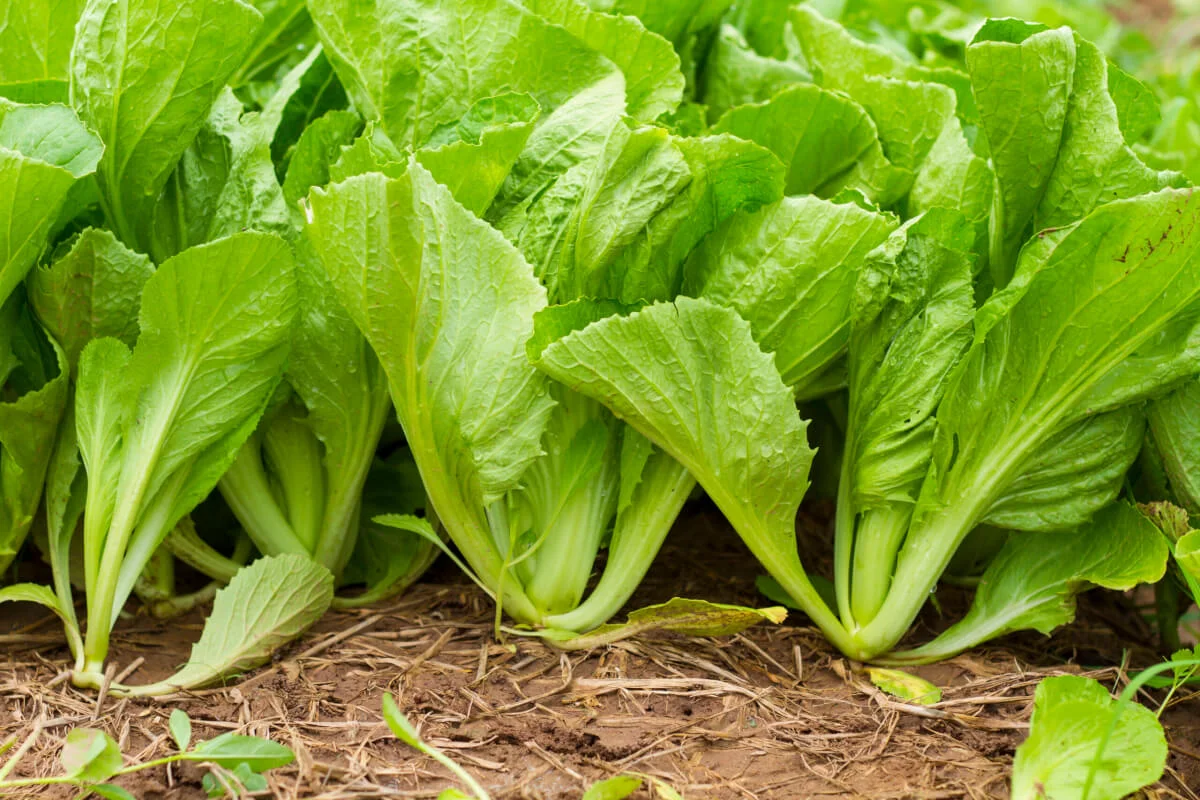
Mustard greens are fast-growing leafy vegetables that can be harvested within 30–45 days. They grow well in nutrient-rich soil and tolerate a range of growing conditions. Like many leafy greens, they can be harvested gradually by removing the outer leaves while allowing the center of the plant to continue producing new growth.
Mustard greens have a distinctive slightly spicy flavor that becomes milder when cooked. They are commonly used in soups, stews, stir-fries, and sautéed vegetable dishes. In addition to their flavor, mustard greens are highly nutritious and provide important vitamins such as A, C, and K.
8. Kale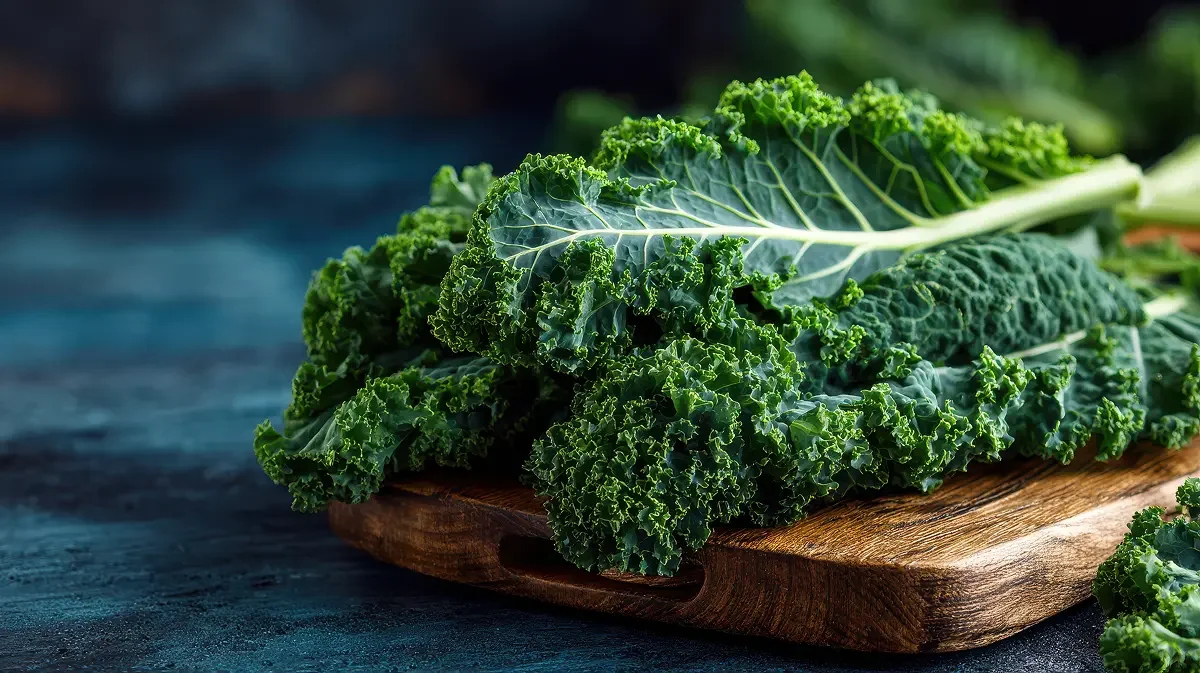
Kale is a hardy leafy vegetable that matures in about 45–55 days. Known for its resilience and nutritional value, it grows well in fertile soil with adequate sunlight and consistent watering. Kale plants produce sturdy leaves that can be harvested from the outer portions of the plant while the center continues developing new growth.
This harvesting method allows the plant to remain productive for an extended period. The leaves are rich in vitamins, antioxidants, and fiber, making kale one of the most nutrient-dense vegetables available. Kale can be enjoyed in smoothies, soups, salads, stir-fries, and sautéed vegetable dishes. Its popularity has grown significantly in recent years as more people seek healthier food options.
9. Cucumber (Early Varieties)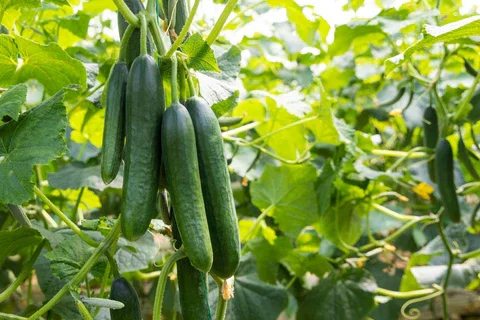
Certain cucumber varieties are known for their fast growth and can begin producing within 50–60 days. Cucumbers grow best in warm conditions with rich, well-drained soil and plenty of sunlight. Because they are naturally climbing plants, they benefit from support structures such as trellises or stakes, which help keep the vines healthy and improve air circulation.
These refreshing vegetables are commonly used in salads, sandwiches, juices, and infused water. Their crisp texture and mild flavor make them a favorite in many cuisines. Fast-growing cucumber varieties can continue producing fruit for several weeks once harvesting begins, providing steady yields over time.
10. Okra (Early Varieties)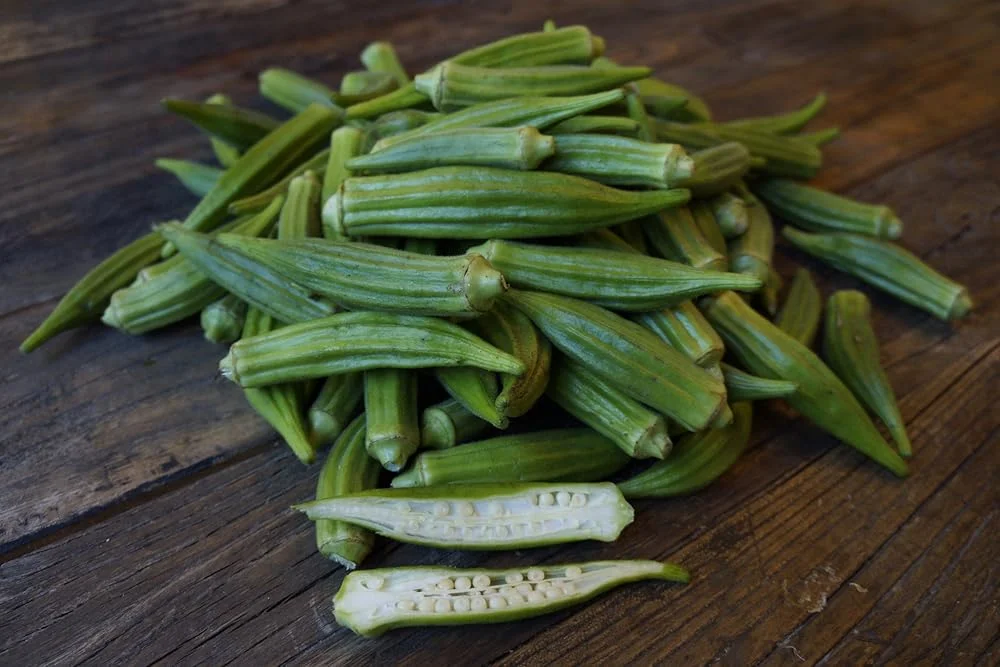
Okra is a productive vegetable that grows quickly in warm conditions. Early varieties can begin producing pods within 50–60 days after planting. The plant thrives in well-drained soil and benefits from consistent sunlight and regular watering. Once okra begins producing, the pods should be harvested frequently to encourage continued production.
Okra is widely used in soups, stews, sauces, and vegetable dishes. Its tender pods are valued for their flavor as well as their natural thickening properties in cooking. Because of its adaptability, resilience, and steady production, okra remains a favorite crop for many growers.
Why Fast Growing Vegetables Matter for Modern Farmers
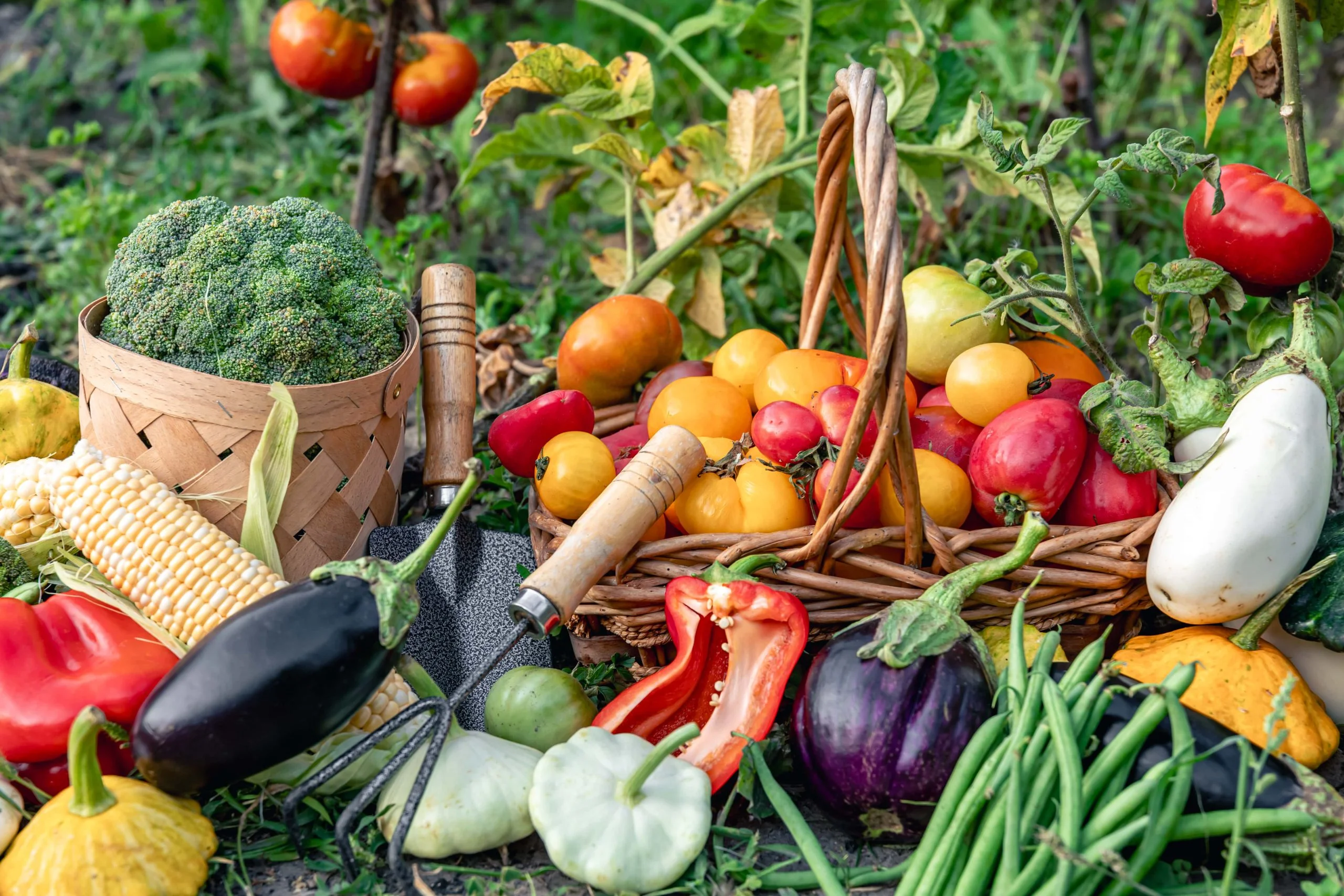
Choosing fast growing vegetables you can harvest in 30–60 days offers several important advantages, particularly for beginner growers and small-scale farmers. First, they provide quick results. Instead of waiting several months to evaluate the success of a crop, growers can begin harvesting within a few weeks.
Second, fast-maturing vegetables help maximize planting cycles. Once one batch is harvested, another can be planted immediately, keeping the garden active and productive. Third, these vegetables make it easier to generate income more quickly, especially when supplying fresh produce to local markets, restaurants, or community buyers.
For many people entering agriculture, fast harvests also build confidence. Seeing crops grow and mature quickly reinforces the idea that farming can be both productive and rewarding. At Obirinfarms, the goal is to make farming more accessible and empowering for women and aspiring growers.
Providing the right seeds, knowledge, and resources helps farmers start strong and grow with confidence. Growing fast growing vegetables you can harvest in 30–60 days is one of the most effective ways to build a productive garden. These crops allow growers to gain experience quickly while maintaining steady harvests throughout the season.
With proper soil preparation, consistent watering, and adequate sunlight, even beginner gardeners can enjoy healthy harvests within a relatively short time. Farming doesn’t have to feel slow or discouraging. Sometimes the best way to begin is simply by planting crops that grow quickly, and watching your garden come to life sooner than expected.
Final Thoughts
Fast-growing vegetables prove that farming doesn’t always require long waiting periods to be rewarding. With the right crop choices, even a small garden can become a consistent source of fresh food, income, and motivation within just a few weeks. These 30–60 day crops remind us that progress in agriculture is not only about patience, but also about strategy, choosing plants that match your goals, environment, and available time.
For beginners, they offer a gentle entry point into farming. For experienced growers, they provide an opportunity to maximize productivity and maintain continuous harvest cycles throughout the season. Most importantly, they help shift the mindset from uncertainty to confidence, because nothing encourages a grower more than seeing visible results early on.
Comments (0)
Leave a Comment
Sign in to comment.